
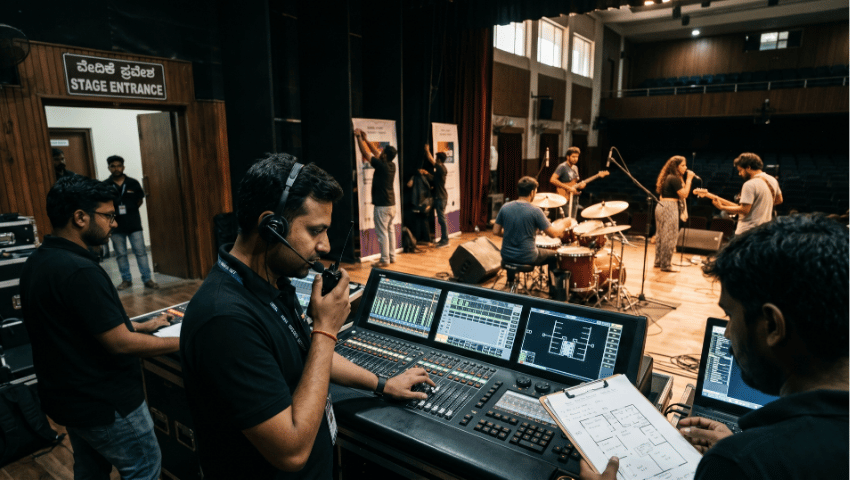
Planning a live event in Bangalore usually begins with excitement. You picture the audience arriving, the lights coming up, the first line landing well, and the room settling into that rare feeling of shared attention. Then the practical questions arrive. Which venue suits the format? What permissions are needed? How should sound, seating, ticketing, and backstage movement work? That is where How to Organise a Live Show or Performance in Bangalore becomes more than a search term. It becomes a planning framework. This guide will help you choose the right venue, prepare for approvals, organise the technical setup, and run a smoother event from booking to showtime.
If you are organising a theatre production, stand up comedy show, concert, or cultural programme, the goal is simple. Build a great audience experience without letting logistics overwhelm the creative idea.
Why planning matters so much for live events
A live performance asks many parts to work together at the same time. The stage has to be ready. The sound setup must be clear. The audience seating needs to suit the format. Artists need rehearsal time and backstage support. Front of house teams need to move people in efficiently.
When one piece slips, the audience feels it almost immediately. A late start, long queue, poor sightlines, or unclear sound can weaken even a strong show.
Live events are more exposed than many other formats
In a conference, people may forgive a technical pause. In a live show, every pause feels longer. Every cue matters. That is why venue planning, technical coordination, and audience flow deserve attention early.
For organisers, this helps ensure a smooth experience and supports better audience engagement from the first announcement to the final applause.
A simple example
A stand up comedy show for 250 guests in Whitefield needs very different planning from a classical performance for 600 attendees with family groups travelling from JP Nagar and nearby areas. The creative quality may be high in both cases, but the venue, sound, seating, and entry flow should be planned differently.
In short, live events succeed when creative vision and operational detail support each other.
How to choose the right venue for a live show
Venue choice shapes almost everything. It affects ticket sales, audience comfort, acoustics, visibility, artist experience, and how easy the event feels on the day.
How to Organise a Live Show or Performance in Bangalore with the right venue
Start by defining the format clearly. Ask what the audience is coming to experience, not just how many seats you need.
Match the venue to the performance type
A good live performance venue in Bangalore should fit the content as well as the crowd.
Consider these pairings:
- an auditorium in Bangalore for theatre, dance, music recitals, and speaker led performances
- a more flexible event venue in Bangalore for mixed format cultural events
- a dedicated theatre venue for productions that depend on stage depth, wings, and cue precision
- a stronger concert venue setup for music events that need higher sound coverage and lighting complexity
Think beyond capacity alone
Capacity matters, but so do proportions and visibility. A 300 seat venue that feels full and focused can create a stronger atmosphere than a much larger hall with empty sections.
Look for:
- clear sightlines from all sections
- stage size suited to the act
- comfortable audience seating
- acoustic quality
- access to green rooms and support spaces
- practical entry and exit flow
- parking and local connectivity
MLR Convention Centre fits naturally into this conversation because it offers auditorium infrastructure, spacious event spaces, professional event support, and accessibility advantages that make event planning easier for organisers handling performances and cultural programmes.
In short, choose a venue that supports the performance style, not just the guest count.
Permissions and compliance considerations
Permissions are easy to push aside in the early planning stage. That is often where trouble begins. A live event can involve venue rules, licensing needs, public safety requirements, and local authority considerations depending on format and scale.
How to Organise a Live Show or Performance in Bangalore without compliance stress
Start these conversations early with the venue and your event team. A good venue partner can guide you on what is usually covered in house and what may need separate attention.
Common areas to review
Depending on the type of event, check:
- venue usage approvals
- sound related permissions if applicable
- public performance rights for music or scripted content
- safety and occupancy compliance
- insurance requirements for larger productions
- vendor access rules
- filming or recording permissions
A ticketed event with live music may need a different compliance path from a school theatre performance or an invitation only cultural programme.
Ask clear questions before confirming the date
Use questions like these:
- What permissions are already covered by the venue?
- What remains with the organiser?
- Are there timing restrictions for setup or performance?
- What are the venue rules around amplified sound, recording, or outside vendors?
- What safety procedures apply to the audience size?
This helps avoid last minute challenges and gives your vendors clearer direction.
Stage and technical setup can make or break the event
A polished technical setup is not only about fancy equipment. It is about suitability. The room, the act, and the cue flow all need to work together.
Plan stage use in detail
Think through:
- performer positions
- stage entry and exit
- lectern or prop placement if needed
- musician layouts
- monitor requirements
- backstage movement
A dance production may need open stage depth and side access. A stand up comedy show may need a simpler stage with one microphone, clean lighting, and strong audience intimacy.
Sound and lighting should suit the room
Your sound setup should be tested for the actual hall, not assumed from a basic equipment list. The same goes for stage lighting.
Review:
- microphone count and type
- speaker placement
- monitor needs
- lighting states and cue transitions
- projection or screen requirements
- power backup
- operator positions
For cultural events and live performances, a technical rehearsal is one of the smartest investments you can make. It supports better audience engagement because the event feels controlled and professional from the opening moment.
In short, do not separate the technical plan from the performance plan. They are the same story from the audience point of view.
Seating and audience experience need early attention
Audience experience begins well before the show starts. It begins with arrival, ticket check, parking, and how quickly people find their seats.
How to Organise a Live Show or Performance in Bangalore with better audience flow
A well planned seating strategy helps the event feel calmer and more premium.
Think about audience type
Different audiences behave differently:
- families need easy access and clear seating guidance
- younger comedy crowds may arrive closer to start time
- music audiences often value acoustics and sightlines above all
- corporate invite audiences may expect smoother registration and parking support
Build the front of house flow
Plan for:
- ticket scanning or check in
- queue management
- signage
- usher support
- late entry handling
- interval movement
- exit flow after the performance
This adds convenience for organisers and attendees alike. It also reduces stress on the front of house team when the audience arrives in a short window.
Artist and backstage planning often decide the mood behind the scenes
An audience may never see backstage operations, but they feel the result. If performers are rushed, confused, or uncomfortable, the show loses confidence.
What artists usually need
A venue should support:
- clean green rooms
- changing areas
- holding space before stage call
- access to refreshments
- secure storage for props or instruments
- clear stage cue communication
For larger productions, assign one person to manage artist movement and stage readiness. That single role can save a surprising amount of chaos.
Rehearsals need proper scheduling
Do not treat rehearsal time as optional. Build a schedule for:
- technical checks
- sound balance
- stage blocking
- cue to cue runs
- final timing review
This makes event execution far stronger and helps avoid last minute challenges that show up only when the room is already filling.
Ticketing and front of house flow
A great show can still start badly if the entry process is messy. Ticketing should feel simple for guests and manageable for staff.
Plan the audience journey from booking to seat
Think about:
- ticket platform and confirmation flow
- reserved versus open seating
- on site help desk
- entry cut off timing
- guest list management for invited attendees
- refund and communication policies if needed
Keep arrival information clear
Send guests the essentials in advance:
- venue address
- arrival window
- parking guidance
- seating policy
- show start time
- contact point for assistance
This is especially useful in Bangalore, where travel time can change sharply depending on the route to Whitefield, JP Nagar, or other event zones.
Budgeting and timeline planning
A live show budget usually stretches beyond venue hire. Technical needs, artist logistics, staffing, marketing, and audience handling all add up quickly.
Broad budget areas to plan for
Most organisers should account for:
- venue rental
- sound and lights
- artist fees
- rehearsal time
- ticketing support
- staffing and ushers
- branding and print materials
- photography or recording
- contingency spending
A smaller stand up comedy show may work within a relatively focused budget. A large cultural programme in a premium auditorium may require a much broader allocation across production and guest services.
Build a realistic timeline
A practical timeline may include:
- venue shortlist and visit
- compliance review
- production planning
- ticketing launch
- marketing period
- technical rehearsal
- final show call sheet
In short, the event usually feels easier when the planning calendar is visible early.
Mistakes to avoid
A few mistakes appear again and again in live event planning.
Watch for these common issues
- choosing a venue before confirming the format
- ignoring technical rehearsal time
- underestimating entry flow
- treating permissions as a late stage task
- booking a room too large for the likely audience
- failing to plan backstage movement
- not assigning one show lead on the day
Each of these can look small at first. Together, they can change the quality of the event.
Practical checklist before booking
Use this checklist before confirming your venue and date.
Venue checklist
- Is the venue suited to the performance type?
- Does the hall support your expected audience capacity?
- Are the stage, acoustics, and audience seating appropriate?
- Are backstage facilities strong enough for performers?
- Is parking manageable for your audience?
- Is the location practical for your guests in Bangalore?
- Does the venue team offer professional event support?
Production checklist
- Have permissions and compliance needs been reviewed?
- Is the sound setup matched to the act and room?
- Has stage lighting been discussed in detail?
- Is the ticketing and front of house flow clear?
- Have rehearsals been scheduled?
- Is one person leading show day execution?
FAQs
What is the best venue for a live show in Bangalore?
The best venue depends on the performance format, expected audience, and technical needs. Theatre, music, comedy, and cultural programmes all benefit from different stage and seating setups.
Do I need permissions for a live performance in Bangalore?
In many cases, yes. The exact requirements depend on the event type, venue rules, music use, audience size, and production format. It is best to confirm these early with the venue and your event team.
How much does it cost to organise a live show in Bangalore?
Costs vary widely based on venue, audience capacity, artist fees, sound and lights, staffing, and marketing. Smaller shows can be planned on a tighter budget, while larger productions need broader production spending.
Why is an auditorium a good choice for live performances?
An auditorium usually offers better acoustics, fixed audience seating, stage visibility, and backstage support. That makes it a strong option for theatre, music, cultural events, and comedy shows.
How early should I book a live performance venue in Bangalore?
For well located venues and premium dates, it is smart to begin early. Booking in advance gives you more control over scheduling, rehearsals, technical planning, and audience promotion.
Final thoughts
Organising a live event well means balancing creativity with control. The right venue, clear permissions, solid technical planning, and a thoughtful audience journey all help shape the final experience. If you use this guide as your working framework, you will make better decisions earlier and reduce avoidable stress closer to show day.
If your next event involves theatre, music, comedy, or cultural programming, review the sections above before confirming the venue. A space with strong auditorium infrastructure, event support, and practical accessibility can make a meaningful difference to both execution and audience response.